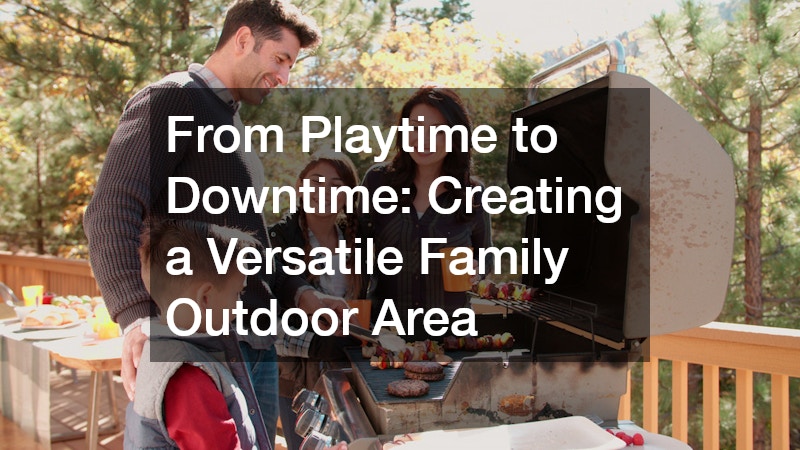
An outdoor space that works for the whole family is more than just a backyard—it’s an extension of your home. From energetic playtime with kids to peaceful downtime for adults, a well-designed outdoor area can seamlessly support a wide range of activities. With thoughtful planning, smart zoning, and durable design choices, you can create a versatile family outdoor area that grows with your household and adapts to changing needs.
Why Versatility Matters in Family Outdoor Spaces
Families rarely use outdoor spaces for just one purpose. On any given day, the same yard might host a soccer game, a family barbecue, homework at the patio table, and a quiet evening of relaxation.
Designing with versatility in mind ensures the space remains functional, enjoyable, and relevant as children grow and lifestyles evolve.
A flexible outdoor area also increases the overall value and usability of your home. Instead of redesigning every few years, a versatile layout allows you to make small adjustments while keeping the core design intact.
Start With Zones for Different Activities
One of the most effective ways to create a multi-purpose outdoor area is by dividing it into zones. Each zone can serve a distinct function while still feeling cohesive as part of the overall space.
Common zones include a play area for kids, a dining or entertaining space created by patio installers, and a relaxation zone for adults. These areas don’t need walls or fences; changes in flooring, furniture, or landscaping can naturally define each section.
Zoning helps prevent conflicts between activities, such as children playing near a quiet seating area, while also making the space easier to organize and maintain.
Designing a Safe and Engaging Play Area
For families with young children, safety is a top priority. A designated play area allows kids to burn off energy while giving parents peace of mind. Soft ground coverings like grass, rubber tiles, or mulch help reduce the risk of injuries.
Incorporate age-appropriate features such as swings, climbing structures, or open space for free play. As children grow, these elements can be swapped out for sports equipment, a trampoline, or even an outdoor study nook.
Keeping the play area visible from indoor living spaces or seating zones makes supervision easier and encourages kids to spend more time outdoors.
Creating a Comfortable Space for Family Gatherings
A family outdoor area should be a place where everyone can come together. A central gathering space, such as a patio constructed by local patio installers, serves as the heart of the backyard. This area works well for meals, celebrations, and casual hangouts.
Choose durable, weather-resistant furniture that can handle daily use. Extendable tables, stackable chairs, or built-in seating provide flexibility for both small family dinners and larger gatherings.
Adding shade with umbrellas, pergolas, or shade sails ensures the space remains comfortable during warmer months and extends its usability throughout the day.
Designing for Relaxation and Downtime
While play and socializing are important, adults also need a place to unwind. A relaxation zone can be as simple as a pair of comfortable chairs, a hammock, or a small lounge area tucked away from high-energy spaces.
Incorporating natural elements like plants, water features, or textured materials can help create a calming atmosphere. This area is ideal for reading, enjoying a quiet coffee, or decompressing after a long day.
Even in smaller yards, thoughtful placement and multi-functional furniture can carve out a peaceful retreat without sacrificing space for other activities.
Choosing Durable, Family-Friendly Materials
Family outdoor spaces see a lot of activity, so durability is essential. Select materials that can withstand weather, spills, and heavy use. Composite decking, sealed stone, and treated wood are popular options for flooring.
Fabrics should be easy to clean and resistant to fading. Outdoor cushions with removable covers make maintenance simpler, especially in households with kids and pets.
Investing in quality materials upfront reduces long-term maintenance and ensures the space remains attractive and functional for years.
Lighting for Safety and Atmosphere
Good lighting extends the usability of your outdoor area into the evening while improving safety. Pathway lights help prevent trips and falls, especially in play zones and walkways.
For ambiance, consider string lights, lanterns, or integrated deck lighting. These options create a warm, inviting atmosphere that works well for both family time and quiet evenings.
Using layered lighting allows you to adjust brightness based on the activity, from lively gatherings to relaxed downtime.
Incorporating Storage to Reduce Clutter
Versatile outdoor spaces can quickly become cluttered without proper storage. Built-in benches with hidden compartments, storage boxes, or small sheds help keep toys, sports equipment, and cushions organized.
Easy access to storage encourages kids to tidy up and makes transitions between activities smoother. A clutter-free space also feels more relaxing and visually appealing.
Planning for All Seasons
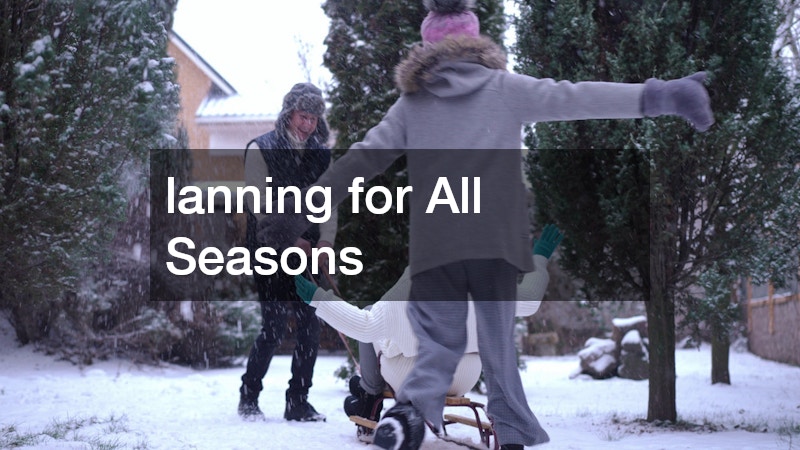
A truly versatile family outdoor area isn’t limited to one season. Adding features like outdoor heaters, fire pits, or weatherproof coverings allows the space to be used year-round.
In warmer climates, fans and shade structures improve comfort, while in cooler regions, blankets and heating elements extend outdoor enjoyment into fall and winter.
Seasonal adaptability ensures your outdoor area remains a valuable part of family life regardless of the weather.
Letting the Space Grow With Your Family
Perhaps the most important aspect of a versatile outdoor area is its ability to evolve. What works for toddlers may not suit teenagers, and your needs will continue to change over time.
Designing with flexibility—open layouts, movable furniture, and adaptable zones—makes it easier to update the space without starting from scratch.
By planning for both playtime and downtime, you create an outdoor environment that supports family connections, encourages outdoor living, and adapts beautifully to every stage of life.